
For years, my answer to 'how did you sleep?' was 'great, like eight hours' - and I believed it. I went to bed around eleven, got up at seven, did the math, and rounded generously. Then I spent a month wearing an Oura Ring, and the data told a different story: I was averaging six and a half hours, and some of those hours barely counted. The gap between the sleep I claimed and the sleep I got was the most useful uncomfortable fact I have learned about myself in years.
The Woman Who Ran on Six Hours
Some context: I am an operations manager at a startup, which is a polite way of saying I am the person who gets pinged when anything anywhere is on fire. I was proud of my low-sleep act. 'I get by on six hours' was practically part of my personal brand, delivered with the same energy other people use to mention marathons. Late-night Slack, early standups, a 3 p.m. coffee to power the home stretch. In hindsight, I was slowly unraveling: forgetting commitments, snapping at kind coworkers, staring at simple spreadsheets like they were written in a language I used to speak.
The 2 P.M. Meeting
The breaking point was not dramatic. It was a Tuesday vendor review, the kind of meeting where I am usually the one keeping everyone on agenda. Somewhere around the second slide of pricing tiers, I fell asleep. Not a subtle eye-flutter - my head did the full drop-and-jerk. My boss, who is genuinely one of the good ones, waited until we were alone and said something I still think about.
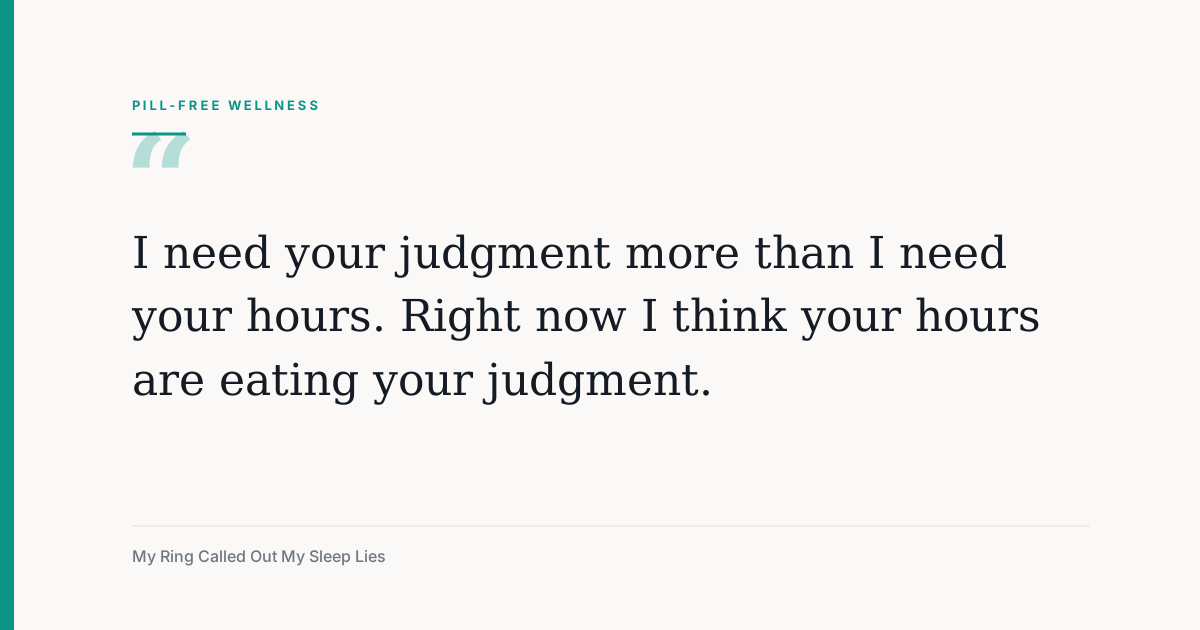
I need your judgment more than I need your hours. Right now I think your hours are eating your judgment.
She was not wrong, and she was not being cruel, which was the part that landed. You can argue with criticism. You cannot argue with concern.
Everything I Tried Before
I did not go straight from that meeting to a ring. First came the tour of half-measures, each failing in its own special way:
- Phone sleep apps. They wanted the phone on my mattress to track motion. I mostly succeeded in sleeping on top of my phone and waking up with a rectangle imprinted on my back and no usable data.
- A smartwatch. Accurate enough, but wearing it to bed felt like strapping a small laptop to my wrist. The screen lit up when I moved. I charged it at night, which meant I never actually wore it at night.
- Just going to bed earlier. The classic. It worked beautifully for about four days, then one late deploy or one 'quick' episode broke the streak, and without anything keeping score, the streak never came back.
Why a Ring, of All Things
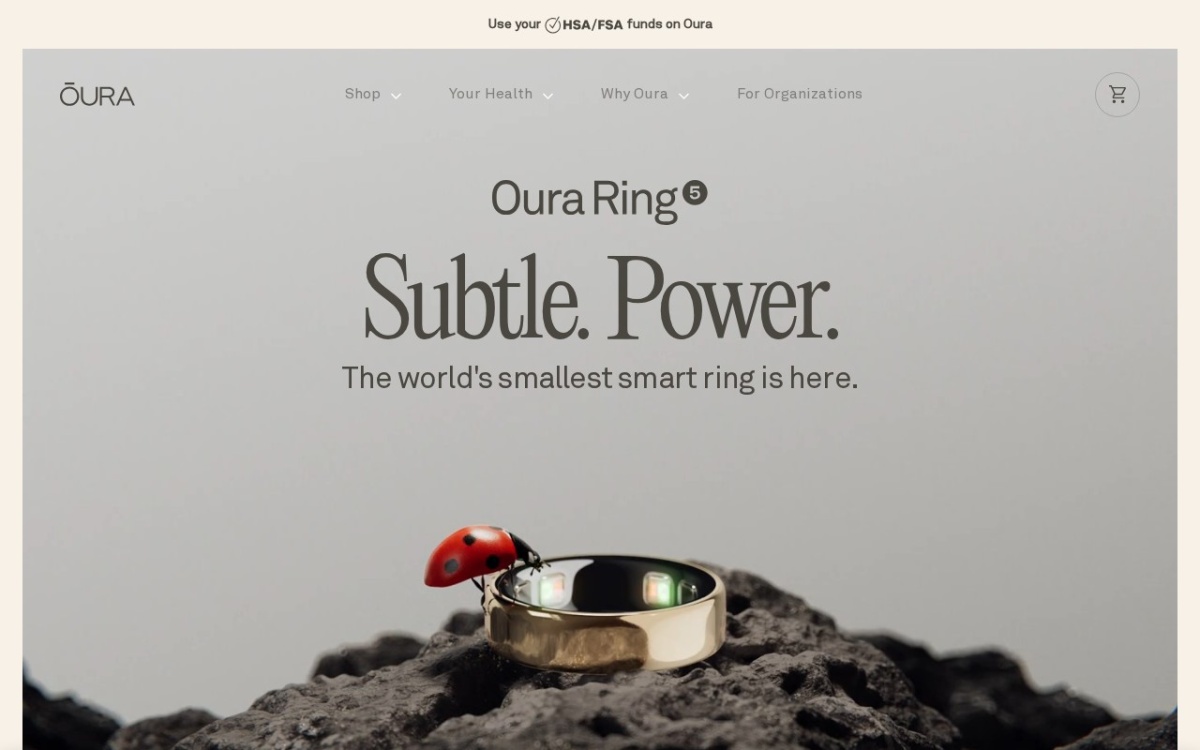
What sold me on the Oura Ring Gen 4 was not a feature list. It was the absence of features. No screen. No notifications. Nothing to check, tap, or silence at 2 a.m. It is a ring; within two days I forgot it existed, which turns out to be exactly the quality you want in a sleep tracker. The tracking happens whether or not I am in the mood for it, removing the failure mode that killed every previous attempt: me.
What the Data Actually Showed
Here is where I have to be honest about what this thing does and does not do. It did not reveal some exotic hidden disorder. It revealed patterns - boring, repeated, undeniable patterns. My 'eight hours in bed' was reliably six and a half hours of actual sleep once you subtracted the scrolling, the drifting, and the 4 a.m. wake-ups I had been conveniently forgetting by morning. And the nights after my beloved 3 p.m. coffee looked consistently worse - less deep sleep, more restlessness - than the nights without it. Not once. Every time.
I want to underline that word: patterns. A single night's data from any wearable is an estimate, and I do not treat my ring like a lab. But the same shape showing up night after night is hard to wave away, and waving things away was my core competency.
The Part Where I Actually Changed
Knowing you should sleep more is like knowing you should floss - true, universal, inert. What changed my behavior was that the data made my specific trade-offs visible. The late coffee was not an abstract sin anymore; it was a worse Wednesday, in writing. So I moved my caffeine cutoff to noon. I set a wind-down alarm at ten, and unlike every previous attempt at an earlier bedtime, this one stuck - because the ring kept score, and I am apparently exactly petty enough to want a better score than yesterday.
What Got Better
I will not hand you fake precision, because the honest results are qualitative. The afternoon crashes faded over a few weeks. The 2 p.m. version of me started resembling the 10 a.m. version. I stopped rereading the same paragraph four times. My boss has not had to have a second gentle talk with me. It is a sample size of one, not a controlled trial - but I know which direction my weeks bent, and so do the people in my meetings.
The Honest Objections
Now the part a glowing story usually skips. First, the money: the ring is not cheap, and then there is a monthly membership on top of the hardware to unlock the full analysis. Paying a subscription to access data your own finger generated is a legitimately annoying business model, and you should go in with eyes open.
Second, this is guidance, not diagnosis. The ring estimates sleep stages from signals like movement, heart rate, and temperature. It is a well-built estimate, but it is not a sleep lab, and I treat its scores as trend lines, not verdicts.
Third - and this one matters - tracking is not for everyone. There is a real phenomenon where people become more anxious about sleep because they are tracking it, lying awake worrying about the score they are currently ruining. If you recognize that tendency in yourself, a tracker may genuinely make things worse, and skipping it is a valid form of self-knowledge. And if you are exhausted all the time no matter what you do, that is not a gadget problem. Persistent exhaustion, snoring with gasping, or months of bad sleep deserve a doctor, not another purchase.
Where I Am Now
I still work at a startup. Things still catch fire. But I have retired 'I get by on six hours' from my personality, because a small ring politely proved it was never true - I was not getting by, I was getting behind. The ring did not fix my sleep. It just made it impossible to keep lying to myself about it, and it turns out that was the fix I needed.
Disclosure: if you buy through links on this site, we may earn a commission at no extra cost to you. This is one person's experience, not medical advice - sleep trackers are habit tools, not diagnostic devices, and ongoing sleep problems should be discussed with a healthcare professional. - Maya
Community discussion
Enjoyed this story? Share your thoughts below.